
What Items Can Someone Donate to Charity?
Some days, it feels like your home is full of clutter. Knickknacks get in the way of cleaning, and full closets and cabinets make it impossible to organize the house properly. Instead of holding onto unusable belongings, think about which of these preloved items you can donate to charity.
1. Clothing
There are plenty of clothes stuffed into drawers and corners of the closet that you don’t wear anymore. No matter the reason you don’t reach for the garment, if it’s in great condition, it’s donatable.
Many charitable donation services accept men’s, women’s, and children’s clothing. The donation can include anything from sweaters to jeans to baby onesies.
Be sure to keep in mind that if there are serious imperfections on the garments, it’s best to toss those out. Charity partners won’t be able to accept clothing with stains, tears, damaged zippers, or mold. Therefore, it’s important to carefully look over the garment for any damage before placing it in the donation box.
2. Shoes
Did you buy a pair of shoes that are a little too big or turned out to hurt your feet after a while? Charities will accept sneakers, sandals, heels, and more that are clean and have intact soles.
Surface dirt might come off with a quick cleaning, so don’t dismiss a sturdy pair if it doesn’t look perfect right away. However, if there are deep cracks or loose soles, those pairs are best to throw away.
3. Accessories
It’s easy to overlook small accessories during a cleanout. Jewelry, belts, scarves, hats, socks, and tights all fall into this category. Because these pieces vary in material and use, sort them slowly. Check each item one by one instead of rushing through the process. The last thing you want is to create a mess that damages the accessories or separates a pair of earrings. Fasten necklace clasps, group matching earrings together, and place everything in a small pouch or sealed bag.
Fabric accessories need a different kind of review because they’re likely to conceal stains, odors, or makeup marks in folds and seams. Unfold scarves, and look at every side of a hat to identify any imperfections. If they carry light dust or dirt, simply wash the items and let them dry fully before packing them up. However, if there are pieces that don’t come clean after washing, set those aside.
4. Bags
When a bag still holds its structure and works properly, it can easily find a second life through donation. Purses, backpacks, tote bags, duffel bags, and suitcases are versatile, useful items. They can carry everything from wallets to clothing to school supplies.
Before donating any bag, check that the bag still functions properly. The zippers should open and close smoothly, the straps should be firmly attached, and any suitcases should roll without catching.
After that, make sure you remove all personal belongings from every pocket and compartment. The last thing you want to do is accidentally leave behind an electronic device or credit card.
5. Linens
Homes tend to accumulate extra linens when life changes the way rooms get used. A bedroom refresh might introduce new colors and textures, leaving older sheets and comforters without a place in the rotation. A change in mattress size can also create a mismatch, where fitted sheets no longer fit and end up folded away in storage. Over time, these unused items collect in closets and drawers, even though they still hold value for someone else.
Bed sheets, comforters, bedspreads, and bath towels qualify for donation. These items often come from sets that no longer match a home’s current style or needs. When the linens look like new, there’s no need to throw them away or put them into a forgotten storage tub. These linens will be incredible candidates for donations.
6. Kitchenware
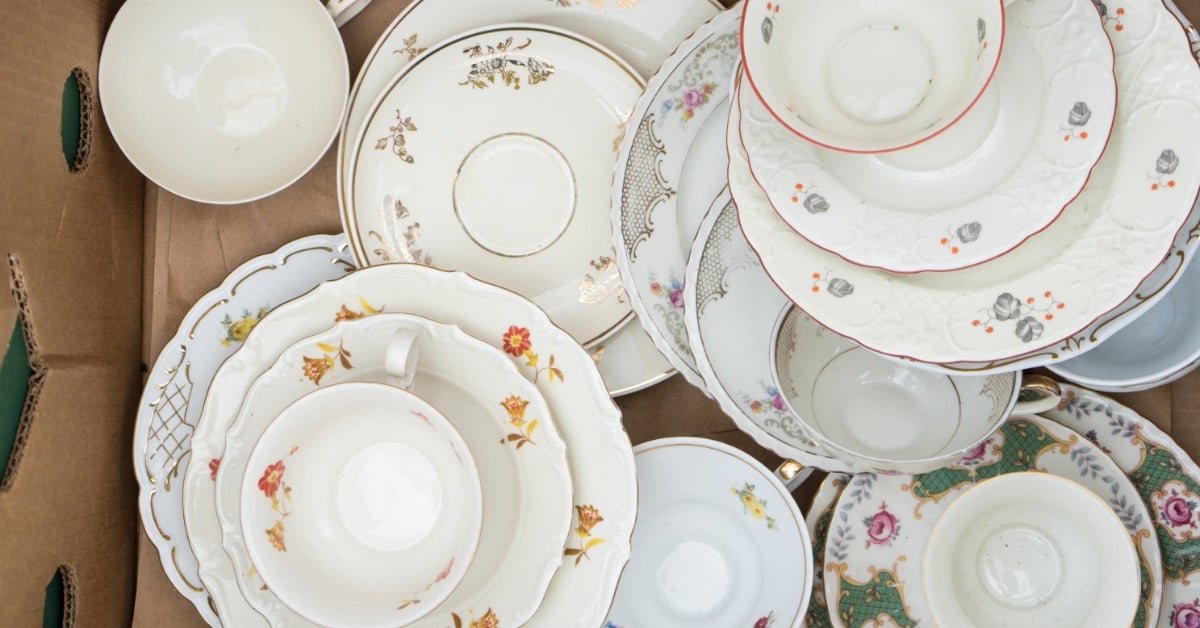
If you find your kitchen cabinets cluttered and incapable of fitting another bowl or mug, it might be time to sort through your kitchenware. Fortunately, you’ll be able to donate a wide range of items to a charity. Many charitable donation services accept:
- Plates
- Bowls
- Silverware
- Pots and pans
- Mugs
- Pitchers
- Serving dishes
It’s important to donate only quality dishware. Items with small chips, cracks, or food stains that won’t disappear won’t benefit a charity. Be sure to inspect each plate and serving dish closely to ensure they’re in usable condition.
7. Home Decor
It’s completely normal to outgrow interior design trends as time passes, especially in children’s rooms where styles and interests change quickly. A space that once felt perfect may no longer match your taste. But that doesn’t mean the decorations need to go to waste. Lightly used home decor can bring value and warmth in its second life.
Picture frames, art pieces, vases, artificial plants, baskets, and decorative knickknacks are acceptable donations. Before donating, remove personal photos from every frame and check the glass and backing for cracks or damage. If there’s dust settled into artificial flowers, gently clean them with a soft cloth or brush.
8. Furniture
Just like dishware and home decor, there comes a time when you want to part with certain furniture pieces as your space or needs change. Before you start moving anything heavy, check local guidelines first because furniture acceptance varies by location. Some areas accept items like nightstands, dining chairs, and accent chairs, while others may have more specific donation guidelines.
Once you confirm what your local charity partners accept, you can think about the different types of furniture you may want to donate. Commonly accepted pieces often include small tables, chairs, and storage items that fit easily into everyday living spaces. Mattresses and box springs, however, usually fall outside this category, so plan to handle those separately.
9. Small Electronics
You might have a small lamp, computer monitor, or flat-screen TV lying unused around the house. However, functionality determines whether small electronics qualify for donation.
Plug in the device and confirm that it operates correctly. Then, inspect the cord for any exposed wiring to ensure there are no electric hazards. If the item fails to power on or doesn’t work, it’s best to dispose of the electronics appropriately.
10. Toys and Games
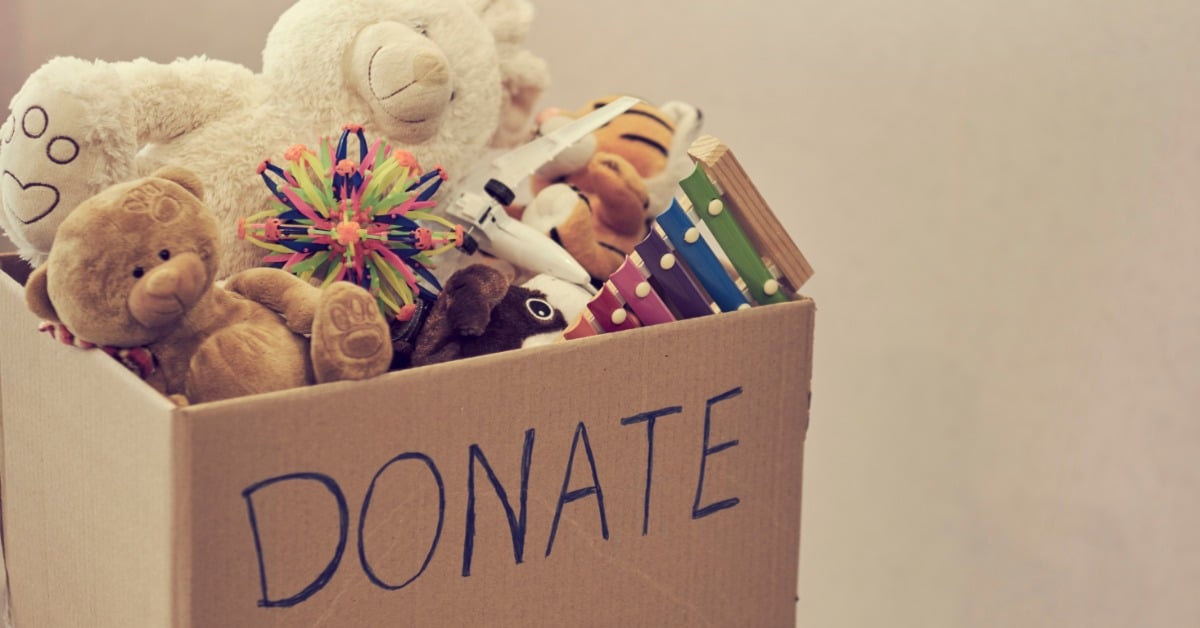
Children’s interests change quickly. Shelves and baskets start to overflow with forgotten toys. When these items stop becoming a part of your kids’ daily playtime routine, remember that they can still serve a new purpose when they remain in good condition. You can donate plastic toys, soft plush toys, puzzles, games, and musical instruments.
Completeness plays a crucial role in whether these items qualify for donation because missing parts reduce their usefulness. Keep board game cards and small components together in a sealed bag inside the original box, and gather every puzzle piece before you close the container. Each set will be ready for continued play.
11. Sports Gear
The garage is most likely full of sports equipment that goes unused. Whether your children outgrew their sports gear or you tried a hobby that didn’t stick, these pre-loved items are still useful. Tennis rackets, baseballs, golf clubs, cleats, and sports bags are great items to donate.
Before donating, prepare each item so it is ready for immediate use. Clean dirt and debris from balls, bats, helmets, and pads, and check each item for cracks and tears. Wipe down surfaces to remove sweat or buildup. Then, make sure that everything is dry before packing to prevent odors or wear.
Donate With Common Threads
Understanding what someone can donate to charity turns a scattered cleanout into a thoughtful process. Common Threads has a detailed list of donations accepted on behalf of our charity partners. Review the accepted donations before packing the items into boxes, ensuring that you’re giving each belonging a purposeful second life.