
A Guide to Preparing Items for Donation Pickup
After a closet cleanout, there are rows of clothing bags stuffed beside a box of shoes. Then, you turn your attention to the playroom and uncover toys that your little ones don’t touch anymore.
Once you have a hold of all the belongings that you’re ready to say goodbye to, it’s time to prepare those reusable items for a donation pickup. From wiping down plastic toys to finding the perfect pickup timeframe, these tips will simplify the donation process.
Clean the Items Before Packing
Before anything disappears into a bag or box, give each piece a quick cleaning and condition check. Dust, crumbs, pet hair, damp fabric, or a forgotten stain are much easier to deal with when everything is still spread out. Cleaning first gives donors another chance to notice damage that could make an item unsuitable for reuse.
Wash Clothing and Linens
Clothing and linens should be clean and completely dry before they go into a donation bag. Run washable pieces through the laundry, then look over collars, cuffs, hems, and other high-wear areas for stains, tears, or lingering odors. A sweatshirt that looked fine at the back of a closet might unveil a paint mark in bright lighting.
Give the fabric enough time to dry fully before packing it away. Slightly damp clothing can develop an unpleasant smell inside a closed bag, especially if the donation sits for a day or two before pickup.
Wipe Down Household Items
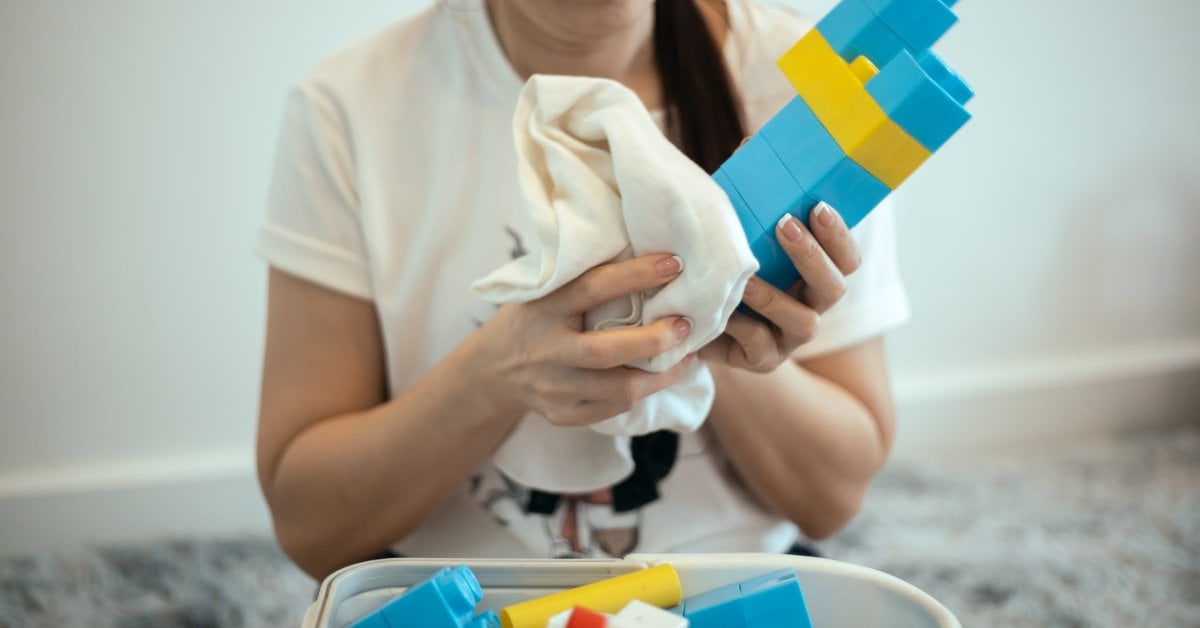
Kitchenware, toys, small appliances, and home decor call for a different kind of cleanup. Wipe away dust, food residue, sticky spots, or surface grime, paying attention to handles, lids, grooves, and other places that collect debris. For toys or household pieces with several parts, gather the pieces together before packing to avoid leaving anything important behind.
Review Each Item’s Condition
As you’re cleaning, pay attention to the outcome of each item. Did the stain remover fail to eliminate a stain on a kitchen towel? Was there a large hole in a soft winter sweater? Did you find scratches left behind on ceramic plates and bowls?
It’s important that the items you donate are in good shape when they leave the house. Instead of sending off stained and broken items, toss them in the trash. The goal isn’t to inspect every sweater like a store return. A quick review is enough to confirm that an item is clean, usable, and suitable for reuse.
Pack and Label Everything Clearly
After cleaning, the donation pile begins to look manageable. Packing items by general type keeps boxes from becoming too heavy, protects breakable belongings, and helps organize the collection area.
Choose Bags and Boxes Carefully
Soft goods, such as clothing and linens, fit neatly into sturdy bags. However, kitchenware, decor, toys, and other unusually shaped items are more manageable in boxes.
Avoid stuffing containers until seams strain or bottoms bow under the weight. A packed box should still be stable enough to move without splitting open. Wrap fragile household pieces with paper or a shirt you want to donate. Then, fill up the empty gaps with plush items to prevent shifting during transport.
Label Donations To Avoid Mix-Ups
Mark every bag or box with “DONATION” before moving it to the collection area. The label gives the pickup team a clear visual cue and helps the household distinguish outgoing items from laundry, storage, returns, or packages waiting by the door.
Keep donation containers physically separate from anything staying behind. A little distance between piles reduces the chance that a bag headed back to storage ends up beside the donations.

Evaluate the Size of the Pickup
A few bags from a closet cleanout are very different from the contents of a garage, estate sale, or whole-home purge. Before scheduling, take a quick count of the bags and boxes, and note anything unusually large, awkward, or tough to move.
For a large donation exceeding 40 bags or containing overused items, it’s a good idea to contact the pickup service directly. Being able to speak directly with the team will ensure that they’re able to transport each donation without delay.
Choose a Protected Pickup Location
Donation pickup services will come directly to your home for the donations. But they need to know which items they’re placing into the truck.
Think about the collection spot before the scheduled date, especially if the donations are stacked in a bedroom, basement, or garage. The pickup area should be visible and accessible from outside, with enough protection to keep bags and boxes away from rain, standing water, pets, and pests.
The drivers won’t enter the home, garage, or apartment to retrieve donations, so plan to move everything outside before collection. Avoid spots where bags could be confused with household trash or where obstacles, like parked cars or locked gates, could block access.
Keep Donations Visible and Protected
A covered porch, sheltered entry area, or another obvious exterior spot works well when it keeps the donation dry and easy to identify. If weather looks questionable, use sturdy closed containers and choose the most protected location available. Clear labels and deliberate placement help a driver identify the pickup without guessing.
Think Ahead for Pickups at Apartments and Gated Communities
Apartment residents should move donations to the ground floor and place them in an accessible, visible spot near the main entrance. Since drivers don’t enter apartment buildings or travel upstairs, moving everything down in advance prevents a last-minute scramble.
Gated communities require a little access planning. Include gate codes or special entry instructions when scheduling, and let a guard or gate attendant know about the pickup when appropriate.
Find the Best Pickup Day for Your Household
Pickup day is seamless with all of the tough tasks completed beforehand. Finish packing up the clean items, add the labels, move containers to the planned collection spot when appropriate, and look for anything that shouldn’t leave with the donation.
Then, select a pickup date that fits the household schedule. You can start planning around that date so that you aren’t rushing to toss a bag outside moments before the truck arrives. If plans change, contact the service to reschedule. The team will find another convenient date that suits your timeline.
Prepare for Pickup Day
Getting items ready for a donation pickup turns a lingering cleanout project into a plan with an obvious next step. Clutter will leave the house, and you’ll enjoy the calm, refreshed space.
When you’re ready to schedule a charitable donation pickup, contact Common Threads. We offer free home pickup for donations made to trusted nonprofit partners. With everything packed and labeled, our team will stop by on the scheduled date to collect the reusable clothing, dishware, and more.