
Household Items You Didn’t Know You Could Donate
It’s natural to replace items or toss belongings you no longer need in a random place in the house. Maybe the dining table came with six new chairs, but the four from your previous set are still collecting dust in the basement. Perhaps you replaced the computer monitor in your office for a larger model.
When people picture which belongings they can donate, clothing is usually at the top of the list. However, there are plenty of quality items lingering in the household you didn’t know you could donate. From small furniture pieces to electronics, take a closer look around your house for these unexpected donation opportunities.
Accent Chairs
Accent chairs come in countless shapes, fabrics, finishes, and decorative styles. That patterned chair you loved five years ago may feel completely out of place beside a new sofa. Another household might have a velvet accent chair left from a previous apartment, a compact reading chair that no longer fits the bedroom, or a wood-framed seat that has lost its place in the living room.
An unusual color or design doesn’t automatically take away a chair’s usefulness. Floral upholstery, neutral linen, tufted backs, curved arms, exposed wood, and metal legs all appeal to different tastes. If the chair remains sturdy, clean, and in good usable condition, its distinctive appearance doesn’t have to send it straight to the curb.
Dining Chairs
Replacing a dining table sometimes leaves a perfectly good set of chairs without a matching home. Families also end up with extras when they downsize a table or combine furniture from two households. A matching group isn’t the only type worth considering because individual dining chairs and partial sets still serve a useful purpose.
Dining chairs cover a broad range of designs, including solid wood seats, upholstered cushions, metal frames, spindle backs, and mixed-material styles. A chair from an older dining set may look quite different from current furniture trends, but style alone doesn’t determine whether someone could use it. Focus on a stable seat, secure legs, and an intact back when deciding whether the chair belongs in the donation pile.
Nightstands
Bedroom furniture changes for all kinds of reasons. A large bed may leave less space beside the mattress, two matching nightstands may become one when someone moves, or a bedroom refresh may replace dark wood furniture with a completely new style. Those alterations frequently leave a compact table or cabinet with no obvious place to go.
People looking for organizations accepting furniture donations may be surprised to see nightstands among the select furniture categories available in many markets. Open-shelf tables, small drawer units, painted wood pieces, and compact bedside cabinets all offer useful storage. Double-check that the structure is sturdy and doesn’t have any serious damage, like peeling paint or chipped wood.
Microwaves
A countertop microwave may become unnecessary when someone moves into a home with a built-in unit or replaces an older appliance with a model that suits the kitchen setup. The previous microwave could still heat food perfectly, even though no one in the household has a reason to use two. Compact dorm-style units, standard countertop models, and versions with digital presets all fall into this broad appliance category.
Function deserves most of the attention here. Plug in the microwave, confirm that the controls and display respond, inspect the cord for damage, and check that the door closes securely. A clean interior and exterior will leave the appliance in suitable condition for its next destination.

Computer Monitors
Desk setups change quickly when someone receives a work monitor or decides that a second screen takes up too much room. Instead of switching on and getting to work, the extra flat-screen monitor spends months stuffed in the corner.
Before including a flat-screen monitor in a donation, turn it on and check the display for obvious defects. Look at its available connections, too, since the ports vary across different monitor generations. An intact screen, functional power connection, and working ports make the monitor ready for a new purpose.
Tools
Open a garage cabinet, and there’s a good chance you’ll spot a duplicate screwdriver set, an extra hammer, or a drill that hasn’t come out since the last home project. Tools commonly remain behind when someone combines households, gives up a hobby, or replaces individual pieces. Those extras can include both powered and non-powered equipment without involving industrial or oversized machinery.
Hand tools cover items such as pliers, wrenches, screwdrivers, hammers, and measuring tools, with handles made from wood, plastic, rubber, or mixed materials. Compact powered tools include familiar household equipment such as drills and sanders. Examine cords, batteries, switches, handles, and moving components so that damaged equipment doesn’t enter the donation pile.
Musical Instruments
Music lessons don’t always turn into a lifelong hobby. A guitar from high school could remain tucked in its case for years, or a keyboard from a child’s first lessons could still occupy a closet shelf even though no one plays it anymore. Those instruments have plenty of tunes left to play.
Musical instruments vary greatly in size, construction, and purpose, from guitars and compact keyboards to small percussion or stringed pieces. Scratches or other minor cosmetic signs don’t necessarily affect how an instrument performs. Check that the main components remain intact and that the instrument still functions properly.
Comforters and Bedspreads
Other unique donatable items include comforters and bedspreads. An entire stack of bedding doesn’t have a bed to cover when you buy a new mattress size. In other cases, you might’ve simply outgrown a certain decorating style.
The good news is that the fabric doesn’t have to go to waste. A comforter that doesn’t have stains or tears will suit a new bed better than the top shelf in a closet.
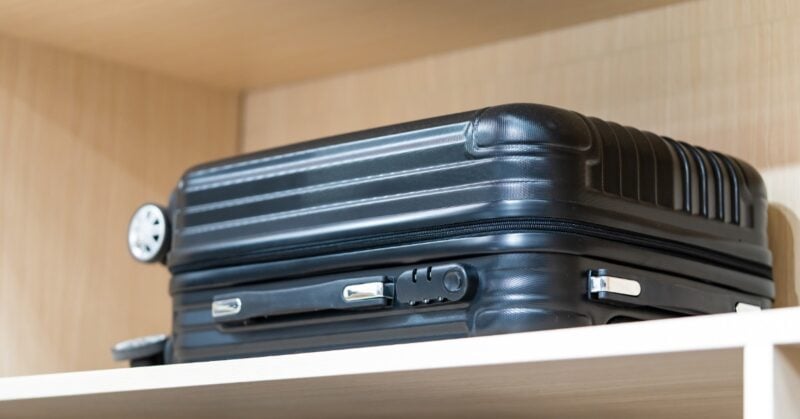
Suitcases
A new piece of luggage sometimes sends the previous suitcase straight to the basement, even when its wheels and zippers work perfectly. Families are likely to have extra carry-ons from past trips and character-themed luggage that the kids outgrew. Those changes don’t erase the bag’s functionality. From hard-shell cases to soft-sided rollers to carry-ons, there are plenty of suitcase styles that charitable donation centers will accept.
Camping Gear
Camping equipment remains stored in out-of-reach places between trips. Suddenly, several pieces of outdoor equipment occupy a shelf. Years go by, and the camping gear never sees the light of day again.
Sleeping bags come in different weights and shapes, tents range from compact designs to family-sized shelters, and lanterns provide portable campsite lighting in several styles. Check sleeping bag closures, tent poles and zippers, and lantern controls so each piece still performs its basic job. Missing essential parts or significant damage will affect whether the gear remains suitable for reuse.
Give Useful Belongings Another Destination
Cleaning out a house doesn’t have to stop with an overflowing bag of clothes. Looking at furniture, electronics, hobby items, and more with fresh eyes may reveal household items you could donate that still have plenty of purpose left.
When you’re ready to clear out those belongings, Common Threads accepts a variety of donations on behalf of our charity partners. With convenient donation stations and free home pickup, donating reusable household goods is simple.